
 Join
Join
Lung Cancer After Nonmelanoma Skin Cancer: What To Know About Risk


Key Takeaways
- Nonmelanoma skin cancers like basal cell carcinoma and squamous cell carcinoma are generally slower to spread than melanoma, but research suggests they may be linked to a higher risk of developing other cancers, including lung cancer. View all takeaways
Sign up for free to view the full article summary.
Continue with EmailNonmelanoma skin cancers usually don’t spread as quickly or as easily as melanoma. Still, they can cause damage over time without the right treatment.
Having nonmelanoma skin cancer may increase your risk of other cancers and certain related conditions in the future, including cancers that don’t start in the skin. According to Danish research, a history of squamous cell carcinoma (SCC) can increase your risk for other cancers by 15 percent to 30 percent.
You might wonder about a possible link between nonmelanoma skin cancers, like basal cell carcinoma (BCC) and SCC, and lung cancer. Can lung cancer develop after nonmelanoma skin cancer? In this article, we’ll discuss what the research says about the association between the two cancer types.
What Is Lung Cancer?
Lung cancer, or cancer that starts in lung tissue, is a common type of cancer among people with a history of smoking. There are a few different types of lung cancer, but 80 percent to 85 percent of lung cancers are non-small cell lung cancer (NSCLC). These cancers can start from different cell types within the lungs. They can have similar features, but the outlook and treatment may vary based on the subtype and stage.
The most common NSCLC subtypes are: 
- Large cell carcinoma
- Adenocarcinoma
- Squamous cell carcinoma
These aren’t the same as SCC skin cancer, as they don’t start in the skin. Rather, they share a name because of the type of cells where they originate. Squamous cells are flat cells that line the insides of some organs and are on the surface of your skin.
Causes of Lung Cancer
The leading cause of lung cancer is smoking tobacco, which is linked to about 85 percent of lung cancer deaths. Even secondhand smoke (smoke you inhale from another person’s cigarette or cigar) can contribute to lung cancer.
Still, not everyone who smokes or is around secondhand smoke will develop lung cancer. Other factors can lead to lung cancer in people who smoke or people who don’t smoke.
You can develop lung cancer from a variety of causes:
- Exposure to chemicals like radon, asbestos, or diesel exhaust
- Living in an area with high air pollution
- Use of beta-carotene supplements
- Inherited gene changes (hereditary gene changes passed from parents)
- Acquired gene changes (gene changes that happened during a person’s lifetime)
Some people develop lung cancer with no clear cause.
Lung Cancer Signs and Symptoms
Lung cancer can cause a variety of symptoms before or after it spreads to other organs. Many people don’t have noticeable lung cancer symptoms in the early stages, but early detection of lung cancer can improve treatment options and may help prevent the cancer from spreading further.
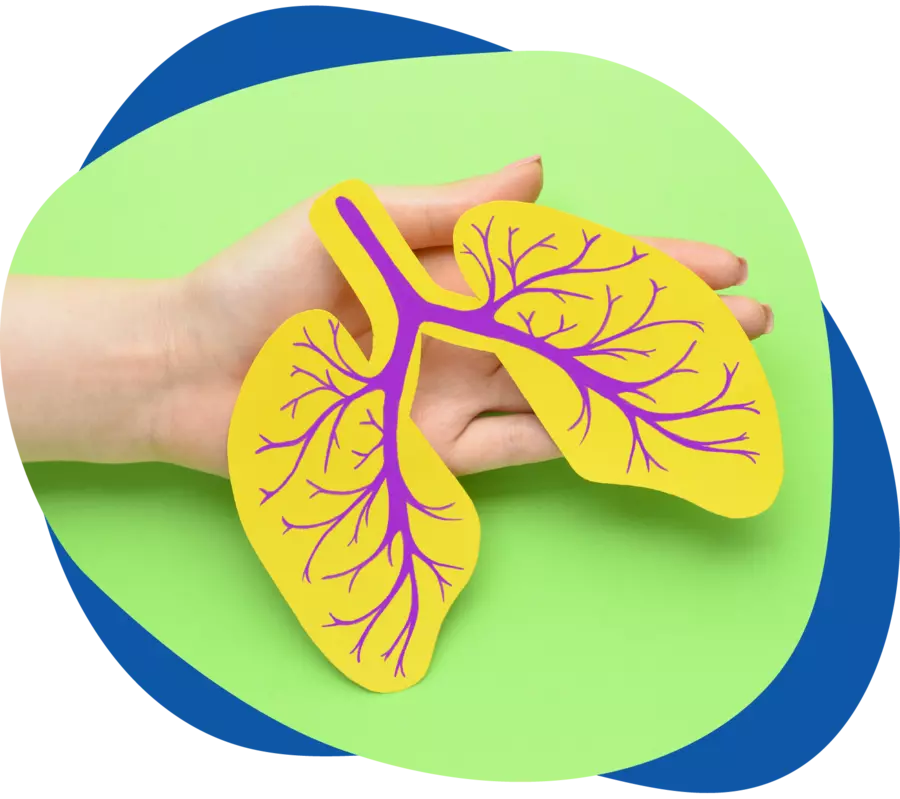
Potential symptoms of lung cancer include:
- A hoarse voice
- Shortness of breath
- Low appetite
- Unexplained weight loss
- An increasing or persistent cough
- Chest pain that flares up when laughing or coughing
- Weakness or tiredness
- Coughing up bloody or brown phlegm
- Wheezing or a whistling sound while breathing
- Repeated lung infections
Does Nonmelanoma Skin Cancer Increase Your Lung Cancer Risk?
Nonmelanoma skin cancer can spread to the lungs, but this technically isn’t lung cancer. It’s still skin cancer, but it has metastasized (spread). Separately, people who have had nonmelanoma skin cancer may have a higher risk of developing other cancers.
A Look at the Evidence
A systematic review looked at the risk of individual cancer types after nonmelanoma skin cancer. While lung cancer wasn’t one of the cancer types most strongly associated with nonmelanoma skin cancer, the association was statistically significant. The risk of lung cancer was slightly higher for people who had SCC than for those who had BCC.
Nonmelanoma Skin Cancer and Lung Cancer Share Risk Factors
The higher risk of lung cancer associated with nonmelanoma skin cancers might be at least partially explained by risk factors they have in common. The following may increase a person’s risk of developing either nonmelanoma skin cancer or lung cancer.
History of Smoking
The link between smoking and lung cancer is well known and widely recognized, but many people don’t realize that smoking also increases their general risk of cancer.
People who smoke are at an increased risk of SCC skin cancer, especially on their lips.
Older Age
Both nonmelanoma skin cancer and lung cancer can develop at any age. But your risk for any type of cancer increases as you get older, so you’re more likely to develop either type at an older age.
People who are diagnosed with nonmelanoma skin cancer at a younger age are more likely to develop other types of cancer later in life.
Immune-Related Factors
Activity within the immune system might explain the link between nonmelanoma skin cancers and lung cancer. For example, chronic inflammation or immunosuppression (a weakened immune system) may open the door for cancer to develop.
Carcinogen Exposure
Carcinogens (cancer-causing chemicals) like asbestos, radon, or other common workplace chemicals are linked to an increased lung cancer risk.
Nonmelanoma skin cancer may also be linked to exposure to similar carcinogens, including arsenic and aromatic hydrocarbons.
What You Can Do To Reduce Your Risks
If you have nonmelanoma skin cancer or have had it in the past, work closely with your care team to understand your risk of lung cancer and other cancers.
Keep Up With Follow-Up Care
Follow-up care after a skin cancer diagnosis is critical, both for managing the cancer and for preventing it in the future. Be sure to keep attending all of your follow-up visits, even after you finish skin cancer treatment.
Discuss Your Risk Factors
Your skin cancer doctor can help you review your individual risk factors and keep them in check.
Although you can’t modify some risk factors, like your age and genetics, you can take a closer look at behaviors that might increase your risk for future lung cancer or other types of cancer.
If you smoke, your doctor can provide tips and resources to help you stop smoking and guidance for protecting yourself from carcinogenic chemicals at home or work.
 Ask About Lung Cancer Screenings
Your doctor or oncology team might advise you to start getting lung cancer screenings if you’re at a high risk for the condition but are otherwise generally healthy. A lung cancer screening is a test used to detect signs of lung cancer in its early stages, often before symptoms develop.
Health experts recommend lung cancer screenings for people aged 50 and older who currently smoke or have a history of smoking.
Your doctor may also consider other risk factors, such as chronic obstructive pulmonary disease (COPD) or a family history of lung cancer, when deciding whether to recommend lung cancer screenings.
A lung cancer screening involves a low-dose computed tomography (LDCT) scan of your lungs, which allows your doctor to take a closer look at the tissue. Your doctor may tell you to get these screenings once a year until they determine it’s no longer beneficial.
Lung cancer screenings can detect early-stage lung cancer or sometimes other lung conditions like benign (noncancerous) nodules. Through lung cancer screenings, your doctor may be able to detect lung cancer at the earliest possible stage when it’s most likely to be treated successfully.
Join the Conversation
On MySkinCancerTeam, people share their experiences with skin cancer, get advice, and find support from others who understand.
Have you developed lung cancer after getting nonmelanoma skin cancer? Let others know in the comments below.
- Melanoma vs. Non-Melanoma Skin Cancer: Key Differences and Treatments — American Society for Mohs Surgery
- Nonmelanoma Skin Cancer and Risk for Subsequent Malignancy — Journal of the National Cancer Institute
- Nonmelanoma Skin Cancer — Mayo Clinic
- What Is Lung Cancer? — American Cancer Society
- Lung Cancer Risk Factors — American Cancer Society
- Squamous Cell — National Cancer Institute
- What Causes Lung Cancer? — American Cancer Society
- Signs and Symptoms of Lung Cancer — American Cancer Society
- Nonmelanoma Skin Cancer and the Risk of Second Primary Cancers: A Systematic Review — Cancer, Epidemiology, Biomarker, & Prevention
- Nonmelanoma Skin Cancer: Risk Factors — UMass Memorial Health
- Lung Cancer Screening — Mayo Clinic
Related
- Are there less common symptoms of skin cancer? See answer
- What is Bowen disease (squamous cell carcinoma in situ)? See answer
- Is there a cure for skin cancer? See answer
- Is basal cell carcinoma hereditary? See answer






 Your Privacy Choices