
 Join
Join
Skin Cancer Biopsy: What To Expect


Key Takeaways
- Skin cancer is the most common cancer in the United States, and a skin biopsy is a procedure that removes a small sample of skin to check whether an unusual spot is cancerous, precancerous, or benign. View all takeaways
Sign up for free to view the full article summary.
Continue with EmailDid you know that anyone can develop skin cancer? It’s the most common type of cancer in the U.S. If your doctor finds a spot, sore, or growth that looks unusual, they may recommend a skin biopsy.
A skin biopsy is a procedure that removes a small sample of skin so it can be checked for cancer or other skin conditions. Knowing what happens before, during, and after a biopsy can help you feel more prepared.
This article explains what a skin cancer biopsy is, how it is diagnosed, and what you can expect while you wait for results.
 What Is a Skin Cancer Biopsy?
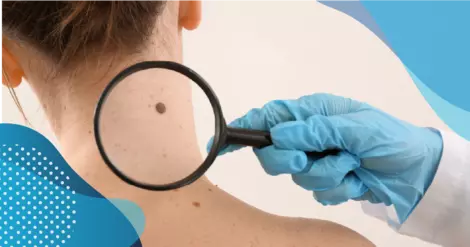
A skin cancer biopsy is a procedure used to remove a small piece of skin from an area that looks abnormal. During a skin cancer screening or exam, your doctor may find a suspicious spot that needs a biopsy.
A biopsy is the only way to confirm whether a suspicious spot is cancerous and, if so, what type of skin cancer it is.
A biopsy may show that the spot is:
- Benign, meaning not cancerous
- Precancerous, meaning some cells are abnormal and may need treatment or monitoring
- Malignant, meaning cancer cells were found
The skin sample is sent to a lab. There, a doctor called a pathologist looks at it under a microscope to check for cancer cells or other skin conditions.
When Is a Skin Biopsy Needed?
If your doctor finds an abnormal area on your skin, they may recommend a skin cancer biopsy. A skin biopsy may also be needed if you experience any of the following symptoms:
- A sore that doesn’t heal
- A rough, scaly, or crusty patch of skin
- A new or changing growth
- A spot that bleeds, itches, or becomes painful
- A rash that doesn’t go away
- A mole or growth with an irregular shape, uneven edges, or recent changes
Not every unusual spot is skin cancer. Some skin conditions, such as eczema, psoriasis, or infections, can look like cancer. A biopsy can help your doctor make the right diagnosis.
What Are the Types of Skin Biopsies?
There are several types of skin biopsies. Your doctor will choose the best type based on the size, location, depth, and appearance of the suspicious area. They will also consider what type of skin cancer they think it may be.
The different types of skin biopsies your doctor may perform are:
 Shave Biopsy
A shave biopsy removes the top layers of skin using a small blade. This type of biopsy is commonly used when a doctor suspects basal cell carcinoma or squamous cell carcinoma, especially when the suspicious area is near the surface of the skin.
After the sample is removed, your doctor may apply pressure or medicine to help stop bleeding. Stitches are usually not needed for a shave biopsy.
Punch Biopsy
For a punch biopsy, a special round tool is used to remove a sample of the skin. This sample is usually round and deep. Punch biopsies are usually used for small skin lesions or for large lesions where complete removal is not possible.
In the case of a large lesion, multiple punches may be needed to capture the sample needed. With larger lesions, stitches may be needed to close the wound.
Pressure is then applied to the site to stop the bleeding, and the site is covered with a dressing.
Excisional Biopsy
This type of biopsy requires use of a scalpel to remove an entire area or tumor. Pressure is applied to stop any bleeding. Stitches are usually used to close the wound, and a dressing is applied.
Excisional biopsies are the preferred type of biopsy for small lesions or suspected malignant melanoma.
Incisional Biopsy
During an incisional biopsy, only a portion of a tumor is removed. Stitches may be used depending on how much skin was removed. Incisional biopsies are used for suspected melanoma when excision is not possible because of where the lesion is located or its size.
What To Expect During and After a Skin Cancer Biopsy
Most biopsies can be performed in a doctor’s office or an outpatient facility. Your doctor will decide which type of biopsy is best for you. The procedure is usually quick and does not require general anesthesia.
Before the Biopsy
Before your biopsy, your doctor will:
- Review your medical history
- Ask about your symptoms
- Examine the suspicious area
- Possibly take pictures of the skin lesion
- Select and mark the biopsy site
- Clean the area with alcohol or another antiseptic
Your doctor will then inject a local anesthetic into the area. This medicine numbs the skin, so you should not feel pain during the biopsy. You may feel a quick pinch or burning feeling when the numbing medicine is injected.
During the Biopsy
Once the area is numb, your doctor will remove the skin sample using the biopsy method they selected.
The actual tissue removal usually takes only a few minutes. The full visit may take about 15 to 30 minutes, depending on the type of biopsy, where the spot is located, and whether stitches are needed.
During the procedure, you may feel pressure or movement, but you should not feel sharp pain. Tell your doctor if you feel pain so they can give you more numbing medicine.
After the sample is removed, your doctor may:
- Apply pressure to stop bleeding
- Use medicine to help control bleeding
- Close the wound with stitches, if needed
- Cover the area with a bandage or nonstick dressing
After the Biopsy
After the biopsy, your doctor or nurse will explain how to care for the wound at home. Follow their instructions carefully.
Basic wound care may include:
- Keeping the area clean and covered
- Washing your hands before changing the bandage
- Changing the dressing as directed
- Using ointment if your doctor recommends it
- Avoiding picking at the scab
- Avoiding soaking the area until your doctor says it’s OK
- Returning to have stitches removed, if needed
The area should be kept covered with a bandage until it’s healed. Stitches are usually taken out three to 14 days after the procedure.
Skin samples are sent to a lab where they are looked at under a microscope. Your doctor will receive the results from your pathologist and determine the best treatment plan for you.
When Should You Call Your Doctor?
The risks of a biopsy are considered low. Call your doctor if you notice signs of infection or other problems, such as:
- Bleeding that doesn’t stop with gentle pressure
- Increasing discoloration, swelling, warmth, or pain
- Pus or drainage from the biopsy site
- Fever
- Red streaks spreading from the wound
- Stitches opening
- A wound that seems to be getting worse instead of better
When To Expect Results
Skin biopsy results aren’t immediate. Since samples are evaluated in a lab, it can take several days to get results. Ask your doctor how long you can expect to wait.
If your results are normal, it means skin cancer wasn’t found. If your result was abnormal, it means you could be diagnosed with a skin condition such as psoriasis, a bacterial or fungal infection, or skin cancer.
Your results may indicate that you have one of the following types of skin cancer:
- Basal cell carcinoma
- Squamous cell carcinoma
- Melanoma
BCC forms in the lower part of the top layer of the skin. It’s most commonly found in the face, arms, and hands and rarely spreads.
SCC also forms in the top layer of the skin; however, it forms in the upper part. It’s similar to BCC in that it also rarely spreads except in high-risk types. This type of skin cancer is found on the face, head, neck, and arms.
Your doctor will discuss the right treatment plan for you. If you are diagnosed with basal cell cancer or squamous cell cancer, the lesion may have been removed at the time of the biopsy. You may not need any further treatment.
If you are diagnosed with elanoma, additional testing will need to be done to confirm whether it has spread.
Join the Conversation
On MySkinCancerTeam, people share their experiences with skin cancer, get advice, and find support from others who understand.
Have you had a skin cancer biopsy? If so, how was your experience? Let others know in the comments below.
Related
- How does immunotherapy for skin cancer work? See answer
- Is basal cell carcinoma hereditary? See answer
- What causes skin cancer and what raises my risk? See answer
- What are the stages of squamous cell carcinoma? See answer






 Your Privacy Choices