

 Join
Join
12 Treatments for Squamous Cell Carcinoma at Different Stages


Key Takeaways
- Squamous cell carcinoma (SCC) is a type of skin cancer that has many treatment options available, and when it is found early, the outlook is often very good. View all takeaways
Sign up for free to view the full article summary.
Continue with EmailIf you’ve recently been diagnosed with squamous cell carcinoma (SCC), you may find it reassuring to know that several effective treatment options are available. Even better, when SCC is found and treated early, the prognosis (outlook) is usually very good.
In fact, when detected and treated early, SCC is highly treatable, with cure rates approaching 99 percent in many cases. Even when SCC spreads to nearby lymph nodes (small glands that help fight infection), treatments such as surgery and radiation therapy can still be effective.
The stage of your skin cancer and how early it was detected will help you and your healthcare provider determine which treatment option may be best for you. Your healthcare team may also consider:
- The size and location of the tumor
- Whether the cancer has metastasized (spread)
- Your overall health
Here’s an overview of 12 potential treatments for squamous cell carcinoma based on how advanced the cancer is and other factors healthcare providers consider when recommending treatment.
Factors Used To Decide Treatment Plans
When considering the best treatment plan for squamous cell carcinoma, a board-certified dermatologist will review the size and location of your tumor or lesion.
They may also determine the stage of the cancer (how advanced it is), especially for cancers on the head or neck or in people with weakened immune systems. This can include people who have had organ transplants or people living with human immunodeficiency virus (HIV).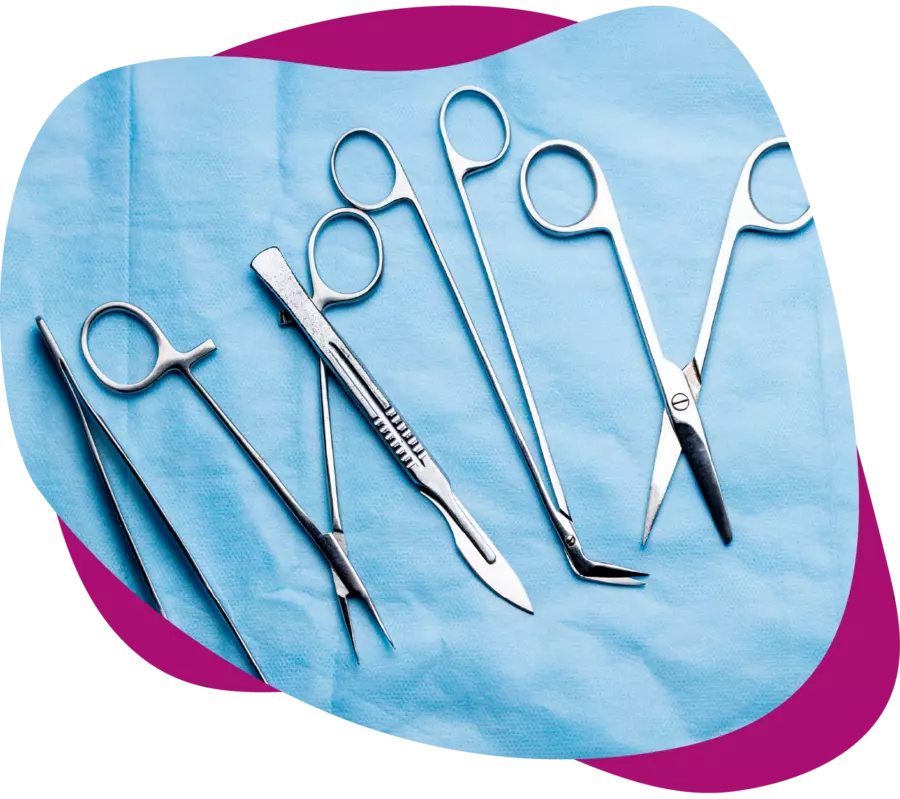
Cancer staging describes how far the cancer has spread. Healthcare providers often use the American Joint Committee on Cancer (AJCC) TNM system to help stage squamous cell carcinoma.
Using this TNM system, your healthcare provider will look at:
- T (tumor) — The size of the tumor and how deeply it has grown into the skin
- N (nodes) — Whether the cancer has spread to nearby lymph nodes (small glands that help fight infection)
- M (metastasis) — Whether the cancer has spread to other parts of the body
Before creating a treatment plan, your dermatologist will also consider your:
- Age
- Overall health
- Underlying health conditions
- Personal preferences
Regular skin checks and early treatment are important because SCC is usually easier to treat before it grows deeper or spreads.
Leaving squamous cell carcinoma untreated can make it harder to cure. Treatment may also become more extensive and could have a greater effect on appearance or how a part of the body works.
Treatment Options for Precancerous Lesions
Sometimes people develop precancerous lesions that can turn into squamous cell carcinoma if they are not treated. One common type is actinic keratosis, also called solar keratosis.
When these lesions are identified early, several treatments may help prevent skin cancer from developing.
Photodynamic Therapy
Photodynamic therapy (PDT) is often used to treat actinic keratosis, also known as solar keratosis. These lesions are rough, scaly patches caused by sun damage that can sometimes develop into SCC.
During PDT, a light-sensitive medication is applied to the skin. After the medication is absorbed, your healthcare provider shines a special red or blue light on the area, causing the medication to destroy abnormal cells.
PDT is most commonly used for actinic keratosis, but it may also help treat some superficial (early-stage, shallow) SCCs on the face or scalp.
Topical Chemotherapy
Topical chemotherapy is another treatment option for precancerous lesions and some very early SCCs. During this treatment, topical medication is applied directly to the skin to target abnormal cells while limiting damage to nearby healthy tissue.
 Two commonly used topical treatments are fluorouracil (5-FU) and imiquimod. These medications are usually applied at home and typically do not cause scarring. However, they can cause side effects such as discoloration, irritation, burning, or peeling where the medicine is applied.
Because topical treatments mainly work on the skin’s surface, regular follow-up visits are still important to make sure the lesions have fully cleared.
Squamous Cell Carcinoma Treatment Options
If you’ve been diagnosed with squamous cell carcinoma that hasn’t spread, you and your healthcare team may have several treatment options to consider.
The best treatment for you may depend on the size and location of the cancer, how deeply it has grown into the skin, your overall health, and your personal preferences.
Curettage and Electrodessication
With this treatment option, your healthcare provider uses a scraping tool called a curette to remove the top layer of the skin cancer. Then, they use an electric needle to destroy remaining cancer cells at the base of the lesion.
Your doctor may need to repeat this process several times to help make sure no cancer cells remain. This treatment is usually used for small, low-risk, or superficial SCCs.
Laser Therapy
During laser therapy, your healthcare provider uses concentrated beams of light to destroy small SCC lesions. Depending on the type of laser used, the beam may vaporize the lesion or use heat to destroy abnormal cells.
This approach usually causes less damage to nearby tissue and may reduce the risk of scarring. You will also have less risk of bleeding and swelling.
Cryosurgery
If your healthcare provider recommends cryosurgery, they’ll freeze the skin cancer with liquid nitrogen. To perform this procedure, they may first scrape off the surface of the lesion before applying the liquid nitrogen.
After treatment, the frozen tissue eventually falls off and new skin forms in its place. Cryosurgery is most effective for superficial SCCs. It may sometimes be considered for people with bleeding disorders or those who have trouble tolerating anesthesia.
Excision
During an excision, your healthcare provider cuts out the cancer along with a small border of healthy skin called a margin. The removed tissue is then sent to a lab to check whether cancer cells are present at the edges.
If cancer cells are still found in the margin, additional treatment or surgery may be needed. Excision is commonly used for SCCs that haven’t spread.
Mohs Surgery
If you have Mohs surgery, your healthcare provider will remove the skin cancer one layer at a time and examine each one under a microscope. They continue removing tissue until no cancer cells remain. 
This procedure helps remove as much of the cancer as possible while preserving healthy skin. Mohs surgery is considered one of the most effective treatments for SCC and is often recommended for tumors near the eyes, nose, lips, ears, fingers, toes, or genitals.
Radiation Therapy
Radiation therapy uses energy beams to destroy skin cancer cells. It may be used when surgery is not preferred or is not a safe option. Radiation may also be used after surgery if there is concern that some cancer cells could remain or that the cancer could return.
Some people need only a few treatments, while others may receive treatment over several weeks. Radiation therapy is sometimes combined with other treatments.
Electronic Skin Surface Brachytherapy
For some SCCs that don’t require deep radiation treatment, healthcare providers may consider electronic skin surface brachytherapy (ESSB). This newer form of radiation therapy involves applying smooth, round applicators placed against the skin to deliver radiation directly to the tumor area.
This approach is less invasive than traditional radiation and helps protect your healthy skin from the effects of radiation.
Treatment Options for SCC That Has Spread
It’s rare for squamous cell carcinomas to spread. In fact, some studies have found that metastasis rates hover around 3 percent to 9 percent and tend to occur in people with higher risks.
If your skin cancer has spread, there are several options your healthcare provider may consider.
Immunotherapy
This treatment option involves using special medications that help your body’s immune system kill cancer cells, especially because these cells can sometimes go undetected by your immune system. Immunotherapy for skin cancer may be considered when the disease has spread and other treatment options aren’t appropriate or effective.
The medications used in immunotherapy typically include:
- Cemiplimab
- Pembrolizumab
- Cosibelimab
Sometimes cemiplimab is given after surgery and radiation to reduce the risk of the cancer returning.
Targeted Therapy
Targeted therapy involves using medications that block or attack certain chemicals in cancer cells. This, in turn, causes the cancer cells to die. This treatment may be used alone or with chemotherapy if your skin cancer has spread to nearby lymph nodes or distant organs.
Chemotherapy
When squamous cell carcinoma has spread to your lymph nodes or other parts of the body, your healthcare provider may recommend chemotherapy. This treatment option involves using medications designed to kill cancer cells. Sometimes this treatment is used alone or with another treatment like targeted therapy or radiation.
Join the Conversation
On MySkinCancerTeam, people share their experiences with skin cancer, get advice, and find support from others who understand.
If you have been diagnosed with squamous cell carcinoma, which treatment option did your healthcare team recommend, and what was it like? Let others know in the comments below.
- Squamous Cell Carcinoma Survival Rate — Moffitt Cancer Center
- Treatment for Squamous Cell Carcinoma — Memorial Sloan Kettering Cancer Center
- Basal and Squamous Cell Skin Cancer Stages and Risk Groups — American Cancer Society
- Squamous Cell Carcinoma Treatment — Skin Cancer Foundation
- Squamous Cell Carcinoma of the Skin — Mayo Clinic
- Metastatic Squamous Cell Carcinoma: A Cautionary Tale — Cureus
- Immunotherapy for Advanced Basal or Squamous Cell Skin Cancers — American Cancer Society
- Treating Squamous Cell Carcinoma of the Skin — American Cancer Society
Related
- Is squamous cell carcinoma deadly? See answer
- What does squamous cell carcinoma look like? See answer
- How can I protect my skin to lower my risk of skin cancer? See answer
- What does actinic keratosis look like? See answer







 Your Privacy Choices

If I have radiation on SCC on my scalp will I lose my hair