

 Join
Join
What Happens If Squamous Cell Carcinoma Is Left Untreated?


Key Takeaways
- Squamous cell carcinoma, or SCC, is a common type of skin cancer that can often be treated successfully when it is caught early, but may become harder to treat if left alone. View all takeaways
Sign up for free to view the full article summary.
Continue with EmailFinding out you have squamous cell carcinoma (SCC) can feel scary. You may wonder how serious it is and whether treatment can wait. In many cases, SCC grows slowly and can be treated successfully when caught early, but if it’s left untreated, SCC has a worse cure rate.
When left untreated, SCC can continue to grow, damage nearby tissue, and spread to other parts of the body. In some cases, it may become life-threatening.
Most people do well when they get SCC treatment early. Understanding what can happen without effective treatment may help you make informed decisions with your doctor.
Squamous Cell Carcinoma Usually Keeps Growing
SCC is a common type of skin cancer that starts in squamous cells. These cells make up much of the outer layer of your skin.
Unlike some harmless skin growths, SCC doesn’t usually go away on its own. Over time, untreated SCC often becomes larger and grows deeper into the skin. It may start as a scaly patch, sore, bump, or crusted area that doesn’t heal.
As the tumor grows, it can become:
- Painful or tender
- More likely to bleed
- Ulcerated (open and sore)
- Itchy, numb, or stinging
Some SCC tumors grow slowly over months or years. Others grow more quickly. How fast SCC spreads depends on factors like the tumor’s size, location, and subtype, as well as your overall health and immune system.

Untreated SCC Can Damage Nearby Tissue
At first, SCC usually stays in the upper layers of the skin. But without treatment, it can grow deeper. As it spreads locally, SCC may invade:
- Fat tissue
- Muscles
- Nerves
- Cartilage
- Bone
This local damage can lead to pain, numbness, difficulty moving nearby body parts, or permanent disfigurement.
Tumors on the face, ears, lips, or scalp can be especially concerning because these areas contain important nerves and structures. A growing SCC near the eyes, nose, or mouth may eventually affect appearance and function.
Large untreated tumors can also leave bigger wounds after treatment later on. In some cases, more extensive surgery or reconstructive procedures may be needed.
Squamous Cell Carcinoma Can Spread to Other Parts of the Body
Although many SCC cases stay localized, some cancers spread beyond the skin. When cancer spreads, it’s called metastasis.
SCC most often spreads first to nearby lymph nodes. Lymph nodes are small glands that help your immune system fight infection.
From there, advanced SCC may spread to organs such as the:
- Lungs
- Liver
- Brain
- Bones
Metastatic SCC is much harder to treat than SCC that’s found early, before it has spread.
The overall risk of metastasis is low for many people with SCC. However, certain tumors are considered high risk. Features linked to a greater chance of spread include:
- Large tumors
- Tumors growing deep into the skin
- SCC on the lips or ears
- Tumors that return after treatment
- Rapidly growing tumors
- Weakened immune system
- SCC involving nerves
People who have had organ transplants or take immune-suppressing medications may face a higher risk of aggressive SCC.

Treatment Usually Becomes More Difficult Over Time
One major reason doctors recommend early treatment is that SCC is often easiest to cure when it’s small.
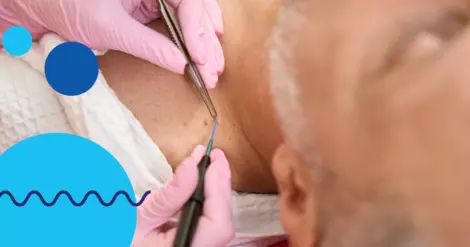
A small SCC may sometimes be removed with a relatively simple excision procedure in a dermatologist’s office. But larger or advanced cancers can require:
- More extensive surgery
- Mohs surgery
- Radiation therapy
- Immunotherapy
- Chemotherapy
- Multiple treatments over time
Advanced SCC may also require longer recovery periods and more follow-up visits.
In some cases, untreated SCC grows so large or spreads so far that doctors cannot fully remove it with surgery. That’s why early treatment is usually linked to the best outcomes.
Can Untreated SCC Be Deadly?
Yes. Although many cases are treated successfully, SCC can become life-threatening if it spreads or grows aggressively.
Deaths from SCC are less common than deaths from melanoma, another type of skin cancer. Still, advanced SCC can cause serious complications and death, especially in older adults and people with weakened immune systems.
Researchers estimate that thousands of people in the U.S. die from SCC each year.
The risk of death is much higher once SCC spreads to lymph nodes or distant organs. Advanced SCC may also affect quality of life because of pain, disfigurement, or loss of function.
Some SCCs Are More Aggressive Than Others
Not every SCC behaves the same way.
Some tumors remain small and slow-growing for long periods. Others grow aggressively and spread more quickly.
Doctors look at several factors to estimate risk, including:
- Tumor size
- Tumor depth
- Location on the body
- Your immune system and overall health
- Whether the SCC has come back after prior treatment
People with weakened immune systems often need closer monitoring because SCC may behave more aggressively in these individuals.
Early Treatment Often Leads to Excellent Outcomes
The good news is that most SCCs can be cured when treated early. Early treatment can help:
- Prevent spread
- Reduce tissue damage
- Lower the chance of recurrence
- Preserve appearance and function
- Avoid more complicated treatments later
That’s why it’s important to tell your doctor about any skin sore, bump, or scaly patch that doesn’t heal or a lesion that keeps changing.
Regular skin checks may also help catch SCC early, especially if you have risk factors like fair skin, a history of heavy sun exposure, or a weakened immune system.
Talk With Your Skin Cancer Specialist About Your Risks
If you’ve been diagnosed with SCC, your dermatologist or skin cancer specialist can help you understand how aggressive your cancer may be and what could happen without treatment.
You may want to ask:
- Is my SCC considered high risk?
- How likely is it to spread?
- How soon should treatment happen?
- What are the risks of waiting?
- What treatment options do I have?
Your doctor can help you balance the benefits and risks of treatment based on your age, overall health, and cancer details.
Join the Conversation
On MySkinCancerTeam, people share their experiences with skin cancer, get advice, and find support from others who understand.
Are you awaiting treatment for squamous cell carcinoma? Let others know in the comments below.
- Squamous Cell Carcinoma: From Symptoms to Treatments — American Academy of Dermatology
- Cutaneous Squamous Cell Carcinoma — DermNet
- Squamous Cell Carcinoma: Outlook and Life After Treatment — American Academy of Dermatology
- Squamous Cell Carcinoma Survival Rate — Moffitt
- Squamous Cell Carcinoma Treatment — Skin Cancer Foundation
I have no spleen I was diagnosed with scc and I’m 70 they first started with chemo shots then freezing I go every month. For last six month.
Related
- Is basal cell carcinoma hereditary? See answer
- What are common symptoms of skin cancer? See answer
- What helps with skin cancer treatment side effects? See answer
- Which doctors treat skin cancer? See answer






 Your Privacy Choices

I needed all this information in 2007 when I had SCC but hopefully it will help another person who is looking. I was proactive and urged my doc he removed my spot and doc left for Italy for a month. Thought everything was ok. Went back after 3 months cuz I had the flu turned out pathology said it was SCC in situ. I did have to have it removed another two times. And a scar to this day reminds me