
 Join
Join
CLL and Squamous Cell Carcinoma: What To Know About Risk


Key Takeaways
- People living with chronic lymphocytic leukemia (CLL) may have a higher risk of developing squamous cell carcinoma (SCC), a type of skin cancer, because CLL can affect how well the immune system works. View all takeaways
Sign up for free to view the full article summary.
Continue with EmailIf you’re living with chronic lymphocytic leukemia (CLL), it’s worth paying extra attention to your skin, particularly if you’ve had squamous cell carcinoma (SCC) before.
CLL is a type of blood cancer that often grows slowly, but it can affect the immune system in ways that may raise the risk of skin cancers, including SCC. Having CLL does not mean you’ll definitely develop skin cancer, but it may make regular skin checks and daily sun protection even more important.
In this article, we’ll explain the connection between CLL and SCC, factors that may raise risk, skin changes to watch for, and steps that may help lower your risk.
 How Are CLL and Squamous Cell Carcinoma Connected?
CLL has been linked to a higher risk of certain types of skin cancer, including basal cell carcinoma and squamous cell carcinoma. These are the two most common types of nonmelanoma skin cancer.
In a 2026 study from Denmark, researchers found that the risk of skin cancer was nearly twice as high in people with CLL. Over 10 years, 13.5 percent of people with CLL developed skin cancer, compared with 6.9 percent of people without CLL.
When researchers looked specifically at SCC, the risk was more than three times higher. Over 10 years, 4.7 percent of people with CLL developed SCC, compared with 1.4 percent of people without CLL.
SCC May Behave Differently in People With CLL
A 2021 systematic review (an analysis of multiple studies) examined people living with both CLL and cutaneous SCC, meaning SCC that develops in the skin. Researchers found that 5.7 percent of people with both conditions developed metastasis (cancer that spreads to other parts of the body).

A 2026 study found that the risk of skin cancer was nearly twice as high in people with CLL.
By comparison, another large study found that about 2 percent of cutaneous SCC cases spread overall. These findings suggest that SCC may be more likely to spread in people with CLL.
What if You’ve Already Had SCC?
Having had skin cancer in the past raises the risk of developing another skin cancer. For people with CLL, a history of SCC may be especially important because CLL is already linked to a higher risk of skin cancer.
If you’ve had SCC before, ask your dermatologist how often you should have full-body skin exams.
Why Might CLL Raise the Risk of SCC?
The connection between CLL and SCC may involve changes in the immune system, the effects of the cancer itself, and, for some people, certain CLL treatments.
CLL Can Affect the Immune System
CLL cells are abnormal white blood cells that don’t work like healthy infection-fighting cells. Over time, they can crowd out healthy blood cells and weaken parts of the immune system.
 A healthy immune system helps the body recognize and remove abnormal cells before they can grow into cancer. When the immune system is not working as well, this process may become less effective.
This may help explain why people with CLL have a higher risk of developing secondary cancers (new cancers that occur after another cancer diagnosis), including skin cancer.
CLL Treatments May Play a Role
Some CLL treatments may also affect immune function, which may contribute to a higher risk of second cancers. Researchers have specifically studied skin cancer risk in people taking a type of targeted therapy called Bruton’s tyrosine kinase (BTK) inhibitors.
BTK inhibitors block a protein that CLL cells use as part of a signaling pathway, which is a chain of messages inside cells. These messages help CLL cells grow and survive. By blocking BTK, these medicines can help slow or stop CLL cell growth.
It may be easy to mistake SCC for a sore, wart, scar, or rough patch of skin.
BTK is also involved in the immune system, so blocking it may affect immune activity in different ways. This may be one reason researchers are studying whether BTK inhibitors affect the risk of second cancers, including nonmelanoma skin cancers such as SCC.
Some BTK inhibitors carry label warnings about the risk of developing additional cancers, including skin cancer.
Researchers are still learning more about this possible connection. If you’re receiving treatment for CLL, consider asking your doctor how your treatment may affect your immune system and whether it could change your skin cancer risk.
What Skin Changes Should You Watch For?
SCC can look different from person to person. It may be easy to mistake SCC for a sore, wart, scar, or rough patch of skin.
Common Signs of SCC
According to the American Academy of Dermatology, certain skin changes or growths may be signs of SCC. These include:
- A rough, scaly patch
- A firm dome-shaped growth
- A sore with raised skin around it
- A sore that doesn’t heal
- A sore that heals and comes back
- A wartlike growth
- A hornlike growth
- A change in a scar
SCC may cause pain, tenderness, itching, numbness, stinging, burning, or a pins-and-needles feeling. Some people notice scabbing or bleeding. Other people don’t feel anything and only notice a new or changing spot.
Where SCC Can Show Up
SCC often develops on skin that gets sun exposure, including the:
- Face
- Scalp
- Neck
- Arms
- Hands
- Lower legs
SCC can also develop in less sun-exposed areas. These may include:
- Around or under a nail
- Inside the mouth
- Near the genitals
- In a long-lasting wound or scar
When To Call Your Doctor
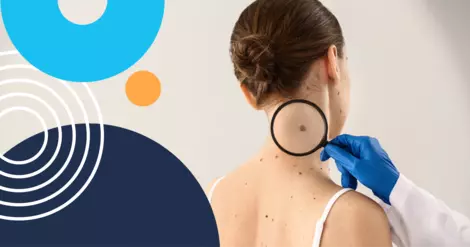
See a dermatologist if you notice a new spot, a changing spot, a sore that doesn’t heal, bleeding, new bumps in a scar, or a growth developing in a wound.
To help protect your skin, try to seek shade when possible and wear sun-protective clothing.
It isn’t possible to tell whether a spot is SCC just by comparing it with pictures. A dermatologist can examine the area and decide whether testing or a biopsy is needed. A biopsy involves taking a tissue sample for examination under a microscope.
How Can You Help Lower Your Risk of SCC With CLL?
Some SCC risk factors are out of your control. These risk factors include:
- Age
- Family history
- Skin tone
- Changes in the immune system
- A personal history of skin cancer
- Xeroderma pigmentosum, a rare genetic disorders that cause extreme sensitivity to ultraviolet (UV) light
However, some risk factors — such as sun exposure and certain lifestyle habits — can be changed.
Protect Your Skin From UV Light
UV light from the sun and indoor tanning equipment can damage skin cells and raise the risk of SCC. Protecting your skin from UV exposure may help lower the risk of developing skin cancer or another skin cancer.
To help protect your skin, try to seek shade when possible and wear sun-protective clothing. A wide-brimmed hat and sunglasses can also help protect sun-exposed areas.
Use Sunscreen Every Day You’re Outdoors
Use a broad-spectrum sunscreen when you’re outdoors during daylight hours. “Broad-spectrum” means the sunscreen helps protect against both UVA and UVB rays, the two main types of ultraviolet rays from the sun.
The CLL Society recommends using sunscreen with at least SPF 30 — and preferably SPF 50 for people with CLL. Reapply sunscreen after swimming, sweating, or spending about two hours outdoors.
Avoid Indoor Tanning
Indoor tanning equipment is a risk factor for SCC. Avoiding tanning beds, sunlamps, and other indoor tanning devices may help lower your risk.
If you like the appearance of tanned skin, consider using sunless tanning products instead. Keep in mind that these products do not protect your skin from UV light, so you’ll still need sunscreen and other sun protection.
Consider Tobacco, Alcohol, and HPV Risks
Tobacco use is a controllable risk factor for SCC, especially for squamous cell cancers that affect the head, neck, and lungs. If you smoke or use tobacco, ask your doctor about resources and tools that may help you quit.
Heavy or frequent drinking may raise the risk of SCC in areas such as the mouth, throat, and esophagus (the tube that carries food from the mouth to the stomach).
Persistent infection with high-risk human papillomavirus (HPV) can also raise the risk of some squamous cell cancers. Practicing safer sex and staying up to date on recommended HPV vaccination may help reduce the risk of HPV-related cancers.
What Should You Ask Your Doctor?
Your personal skin cancer risk depends on many factors, including your:
- CLL history
- CLL treatment plan
- Personal history of skin cancer history
- Family history
- Sun exposure
- Immune system health
Ask About Your Skin Exam Schedule
Your doctor can help you decide how often you should have skin exams. The CLL Society recommends at least one skin cancer screening each year for people living with CLL.
You may need more frequent skin exams if you’ve had SCC before or if your dermatologist is monitoring a specific spot. Ask which skin changes should prompt you to call between scheduled visits.
Ask Whether Your Treatment Affects Skin Cancer Risk
You may also want to ask whether any CLL medicines you take could affect your immune system or skin cancer risk, especially if you take a BTK inhibitor. Don’t stop or change your CLL treatment without talking with your doctor first.
Your doctor can help you weigh the benefits of CLL treatment along with any additional steps that may help with skin cancer screening or prevention.
Join the Conversation
On MySkinCancerTeam, people share their experiences with skin cancer, get advice, and find support from others who understand.
Have you talked with your doctor about skin checks while living with CLL? Let others know in the comments below.
- Risk of Skin Cancer Among Patients With Chronic Lymphocytic Leukemia — JAMA Dermatology
- What Are Basal and Squamous Cell Skin Cancers? — American Cancer Society
- Squamous Cell Carcinoma: From Symptoms to Treatments — American Academy of Dermatology
- Cutaneous Squamous Cell Carcinoma in Patients With Chronic Lymphocytic Leukemia: A Systematic Review of the Literature — International Journal of Dermatology
- The CLL Nurse’s Note: Understanding the Importance of Screening for Skin Cancer While Living With CLL/SLL — CLL Society
- Chronic Lymphocytic Leukemia Treatment (PDQ) — Patient Version — National Cancer Institute
- Second Cancer Incidence In CLL Patients Receiving BTK Inhibitors — Leukemia
- Targeted Therapy Drugs for Chronic Lymphocytic Leukemia (CLL) — American Cancer Society
- BTK Inhibitors in Chronic Lymphocytic Leukemia — CLL Society
- Bruton’s Kinase Inhibitors for the Treatment of Immunological Diseases: Current Status and Perspectives — Journal of Clinical Medicine
- Risk of Second Primary Malignancies in Patients With Chronic Lymphocytic Leukemia Treated With Zanubrutinib and Acalabrutinib: A Real-World Data Analysis — Blood
- Squamous Cell Carcinoma: From Symptoms to Treatments — American Academy of Dermatology
- Squamous Cell Carcinoma: Outlook and Life After Treatment — American Academy of Dermatology
- Sunless Tanners and Bronzers — U.S. Food and Drug Administration
Related
- What are the key facts I need to know about skin cancer? See answer
- How fast does squamous cell carcinoma spread? See answer
- How common is skin cancer? See answer
- What can I expect from radiation therapy for skin cancer? See answer





 Your Privacy Choices