
 Join
Join
6 Treatments for Nonmelanoma Skin Cancer


Key Takeaways
- Nonmelanoma skin cancers, including basal cell carcinoma and squamous cell carcinoma, are the most common cancer types in the world and can be treated by a team of healthcare providers using a variety of approaches. View all takeaways
Sign up for free to view the full article summary.
Continue with EmailNonmelanoma skin cancers are the most common cancer types in the world. The most common types include basal cell carcinoma (BCC) and squamous cell carcinoma (SCC).
These cancers are sometimes treated by a team of several healthcare providers, depending on the severity of the skin cancer. Members of your care team may include a:
- Dermatologist (skin disease expert)
- Surgical oncologist (who operates on cancer)
- Medical oncologist (doctor who treats cancer with medicine)
- Radiation oncologist (radiation treatment expert)
To create your treatment plan, your care team will consider factors such as your type of skin cancer, stage, depth, size, location, and recurrence risk (chance of it returning).
Keep reading to learn the basics about the types of nonmelanoma skin cancer treatment.
Surgery
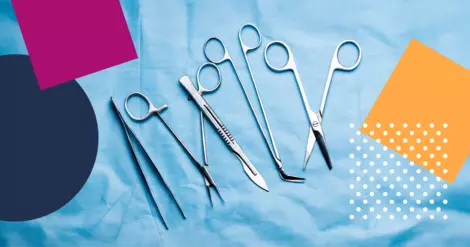
Surgery is the most common treatment for basal cell and squamous cell carcinoma. It allows the cancer care team to cut the cancerous cells from your skin.
For small, shallow, or early skin cancers, surgery may be curative. This means it may be the only treatment needed to eliminate the cancer. The care team may also perform surgery to treat skin cancer that’s metastasized (spread) or recurred after initial treatment.
Surgical Techniques
The surgical technique your surgeon or dermatologist uses will depend on several factors. This includes the size and location of the tumor and how likely the cancer is to spread.
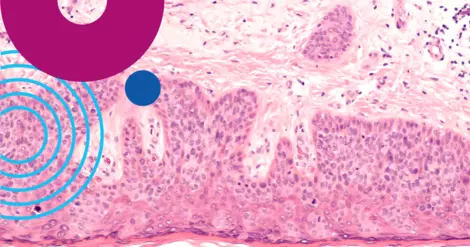
- Wide excision — The surgeon cuts the tumor and a small border around it (called the margin) from the skin. A pathologist then looks at it under a microscope to see whether all cancer cells were successfully removed.
- Mohs surgery — The surgeon removes the tumor with a very small margin of surrounding skin and examines it under a microscope during the procedure. If all cancer cells haven’t been removed, the surgeon repeats the procedure until the skin is clear of cancer.
For small, shallow, or early skin cancers, surgery may be the only treatment needed to eliminate the cancer.
Other procedures used to treat skin cancer don’t require the skin to be cut. These include:
- Cryosurgery (also called cryotherapy) — The doctor freezes the cancerous cells using a chemical called liquid nitrogen. The affected skin falls off several weeks later.
- Electrodesiccation and curettage — The doctor scrapes cancerous cells from the skin. They then use an electrical current to destroy remaining cancer cells.
- Laser surgery — The provider aims laser light at the top layer of skin to destroy cancerous cells. It may be used for early BCC or SCC in situ (also called Bowen’s disease).
Possible Side Effects
These procedures may leave a scar in the area addressed. Depending on the size of the tumor removed, the doctor may remove so much skin that they can’t stretch other skin enough to cover the surgical site.
In those cases, the surgeon may need to move skin from other areas of the body to close the wound. This may involve a skin graft or reconstructive surgery, depending on the wound and location.
Other potential side effects of surgery include:
- Pain
- Numbness
- Bruising
- Infection
- Skin color changes
Topical Treatments
Your doctor may suggest topical treatments, which are applied to the skin affected by cancer. Topical treatments may include medications or other therapies.
Topical treatments are usually reserved for people with very early-stage nonmelanoma skin cancers or precancers of the skin. In some cases, they may be the only treatment needed to eliminate the cancer.
Topical treatments include:
- 5-fluorouracil cream — This is a type of chemotherapy cream that destroys cancer cells on the surface of the skin. It can’t reach the deeper skin layers or address cancer that’s spread to other areas.
- Imiquimod cream — This cream uses your body’s own immune system to destroy cancer cells. It’s usually only used for precancerous skin conditions or very early BCC.
- Photodynamic therapy — A light-sensitive medication is applied to the skin, and the area is later exposed to a special light that activates the medication to destroy cancer cells. It may be used for low-risk cases of BCC or Bowen’s disease.
Possible Side Effects
Any topical treatment can cause skin reactions. This may include:
- Skin discoloration
- Swelling
- Peeling
- Itching
- Sun sensitivity
Radiation Therapy
Radiation therapy uses beams of X-rays or electrons aimed directly at the tumor to destroy cancer cells. It may be used in a variety of situations to treat nonmelanoma skin cancers:
- As the primary treatment — Used for people whose tumors are too big to remove using surgery or those who don’t want surgery
- In combination with other treatments — Used after surgery (called adjuvant therapy) to destroy remaining cancer cells
- For cancer spread — Used to address areas where skin cancer has spread, such as the lymph nodes (small glands throughout the body that help fight infection)
When radiation therapy is used as the primary treatment, it may be the only skin cancer treatment a person needs. In other cases, it may be combined with other therapies.
Possible Side Effects
Radiation therapy (also called radiotherapy) may damage the areas of skin where treatment is being directed. This can cause side effects, including:
- Skin discoloration
- Peeling
- Blistering
- Hair loss in the affected area
After a skin cancer tumor has been treated with radiotherapy, the cancer may come back later. In many cases, radiation therapy can’t be safely repeated in the same area because nearby tissues may already have received the maximum safe dose.
In some cases, however, doctors may still consider radiation again, depending on where it is, how much radiation was used before, and the person’s situation.
Targeted Therapy
Targeted therapies are drugs that target molecular differences between cancer cells and healthy cells. Targeted therapy drugs are most often used to treat advanced or recurrent skin cancer.
These include:
- Hedgehog pathway inhibitors — These medications may be used for basal cell cancers that have spread, aren’t treatable with surgery or radiation therapy, or that return after treatment with other methods.
- Epidermal growth factor receptor (EGFR) inhibitors — These drugs may be used for squamous cell skin cancers that were resistant to other treatments.
Possible Side Effects
The side effects of targeted therapies depend on the drug used. In general, side effects may include:
- Skin issues
- Digestive problems such as diarrhea or constipation
- Appetite changes

Immunotherapy medications enlist your body’s immune system to attack cancer cells.
Immunotherapy
Immunotherapy medications enlist your body’s immune system to attack cancer cells. These drugs may be used to treat advanced BCC or SCC.
Immunotherapies called checkpoint inhibitors may be used to:
- Treat advanced SCC that isn’t curable with radiation therapy or surgery
- Reduce the chances of some high-risk SCCs returning after radiation or surgery
- Treat advanced BCC in people who aren’t responding to targeted therapy
Possible Side Effects
The most common side effects of checkpoint inhibitors include:
- Fatigue (extreme tiredness that doesn’t improve with rest)
- Nausea
- Skin rashes
- Digestive issues
- Loss of appetite
- Joint or bone pain
Chemotherapy
Systemic chemotherapy delivers cancer-fighting drugs throughout the body. This is different from topical chemotherapy, which only targets the parts of the body where the cream is applied.
Systemic chemotherapy can help kill cancer cells at the tumor site and in areas where the cancer has spread (such as the lymph nodes).
Chemotherapy is rarely used to treat BCC. Targeted therapy and immunotherapy are usually preferred for advanced disease. But it can be used to treat SCC.
Systemic chemotherapy can help kill cancer cells at the tumor site and in areas where the cancer has spread.
In SCC, chemotherapy may be used to destroy remaining cancer cells after completing other treatments, such as radiation therapy. In other cases, chemotherapy is used to control advanced squamous cell cancers that are no longer curable.
Possible Side Effects
Chemotherapy side effects depend on the specific drug used, as well as how often and how long it’s used. Because these drugs can sometimes damage healthy tissue in addition to cancer cells, side effects often affect areas throughout the body.
Side effects may include:
- Mouth sores
- Hair loss
- Digestive problems
- Appetite changes
- Fatigue
- Easy bruising or bleeding
- Nausea or vomiting
Speak With Your Doctor
If you’ve been diagnosed with nonmelanoma skin cancer, talk to a healthcare professional about your treatment options. In addition to the treatments above, they may know about clinical trials or newer therapies that could be appropriate for your situation.
Join the Conversation
On MySkinCancerTeam, people share their experiences with skin cancer, get advice, and find support from others who understand.
Which treatment options did you use to treat nonmelanoma skin cancer? Let others know in the comments below.
- Current Management of Nonmelanoma Skin Cancers — Current Problems in Surgery
- Nonmelanoma Skin Cancer — Johns Hopkins Medicine
- Treating Basal and Squamous Cell Skin Cancer — American Cancer Society
- Treatment for Non Melanoma Skin Cancer — Cancer Research UK
- Surgery for Non-Melanoma Skin Cancer — Canadian Cancer Society
- Nonmelanoma Skin Cancer — Mayo Clinic
- Treatment for Non-Melanoma Skin Cancer — NHS
- Surgery for Basal and Squamous Cell Skin Cancers — American Cancer Society
- Non-Surgical Local Treatments for Basal and Squamous Cell Skin Cancers — American Cancer Society
- Photodynamic Therapy for Non-Melanoma Skin Cancer — Canadian Cancer Society
- Radiation Therapy for Basal and Squamous Cell Skin Cancers — American Cancer Society
- Targeted Therapy for Basal and Squamous Cell Skin Cancers — American Cancer Society
- Immunotherapy for Advanced Basal or Squamous Cell Skin Cancers — American Cancer Society
- Systemic Chemotherapy for Basal and Squamous Cell Skin Cancers — American Cancer Society
Related
- How is skin cancer diagnosed? See answer
- What are the symptoms of basal cell carcinoma on the nose? See answer
- How can I tell the difference between a mole and skin cancer? See answer
- Who needs skin cancer screening? See answer




 Your Privacy Choices